

Cultural perspectives on gambling How traditions shape beliefs and practices
Cultural perspectives on gambling How traditions shape beliefs and practices
The Historical Context of Gambling
Gambling has a deep-rooted history that spans centuries and cultures. From ancient China, where tiles were used in games of chance, to Roman soldiers betting on chariot races, the act of wagering has been an integral part of human civilization. This historical context illustrates not only the popularity of gambling but also the various forms it has taken, reflecting societal values and norms. For instance, in many cultures, gambling was once seen as a rite of passage or a way to build community ties. Many modern enthusiasts also seek the best options among f1 betting sites to enhance their experience.
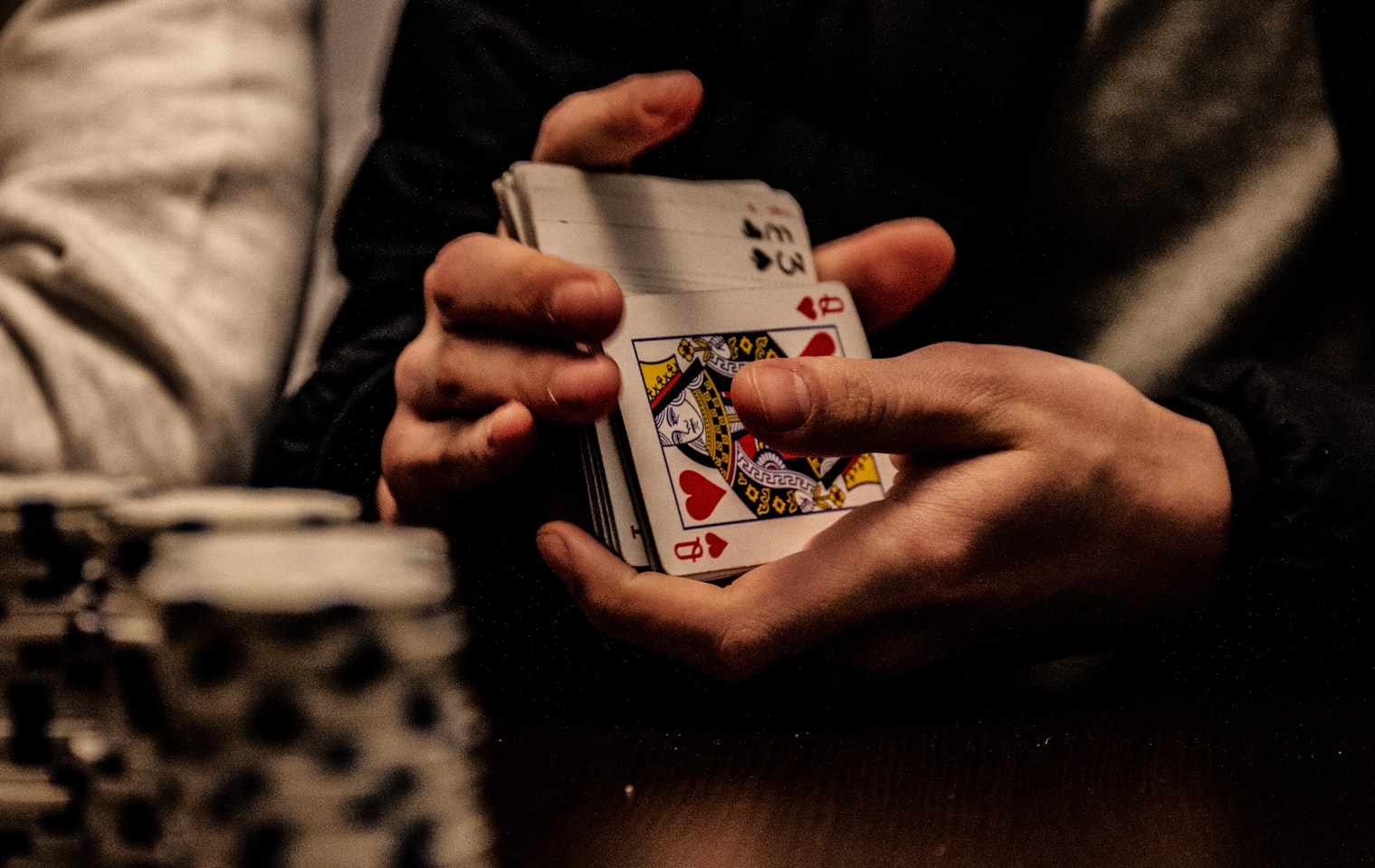
In Native American cultures, gambling often involved traditional games that held spiritual significance. These activities were not merely about winning or losing money; they were part of a broader cultural identity. For many tribes, games of chance were intertwined with rituals and storytelling, emphasizing that gambling was a communal experience rather than an individual pursuit. This perspective highlights how gambling serves as a vehicle for cultural expression and continuity.
Furthermore, the introduction of modern gambling establishments, such as casinos, marked a shift in public perception. While some cultures embraced this evolution as a source of economic development, others viewed it as a threat to traditional values. This juxtaposition raises questions about how cultural narratives surrounding gambling have transformed over time, providing insight into contemporary attitudes towards the practice.
Cultural Attitudes Towards Gambling
Cultural attitudes towards gambling vary significantly across the globe, influencing how societies perceive the practice. In some cultures, gambling is viewed as a legitimate form of entertainment, while in others, it is seen as a vice that leads to moral decay. For instance, in many Western countries, gambling is widely accepted and integrated into social activities, often considered a harmless pastime. Conversely, in certain Asian cultures, gambling carries a heavy stigma due to its association with addiction and financial ruin.
The disparities in attitudes often reflect broader cultural values, such as individualism versus collectivism. In individualistic societies, the emphasis on personal freedom allows for a more permissive attitude towards gambling. In contrast, collectivist cultures may prioritize social harmony and view gambling as disruptive to familial and communal structures. This divergence underscores how cultural beliefs shape the collective understanding of gambling and its implications for society.
Moreover, religious beliefs play a pivotal role in shaping cultural attitudes toward gambling. For instance, in Islamic cultures, gambling is strictly prohibited due to religious doctrines, which contributes to a societal stance that views gambling as immoral. In contrast, some Christian denominations may adopt a more nuanced view, permitting gambling under specific conditions. These religious influences not only impact individual behaviors but also inform community norms and legal frameworks surrounding gambling.
The Role of Tradition in Gambling Practices
Tradition plays a significant role in shaping gambling practices, influencing the types of games played and the contexts in which they occur. Many cultures have traditional games that are integral to social gatherings and celebrations. For example, in some African cultures, traditional betting games are played during festivals, serving to reinforce community bonds and cultural identity. These practices illustrate how gambling can be woven into the fabric of societal traditions, emphasizing collective participation.
Additionally, traditional gambling practices often come with specific rituals and customs. In Japan, for instance, Pachinko is not just a game of chance but a cultural phenomenon that involves unique social customs. Players often gather in pachinko parlors, and the atmosphere is charged with community spirit and competition. Such traditions enhance the experience of gambling, making it a shared social activity rather than an isolated endeavor.
These traditional practices often persist alongside modern gambling venues, showcasing the adaptability of cultural beliefs. While contemporary casinos may offer a different experience, traditional forms of gambling continue to thrive, demonstrating that cultural heritage remains influential. As society evolves, the interplay between tradition and modernity in gambling practices serves as a reminder of the rich tapestry of human experience and community connection.
The Impact of Technology on Gambling Culture
The advent of technology has transformed the landscape of gambling, creating new opportunities and challenges. Online gambling platforms have made it easier for people to engage in betting activities from the comfort of their homes. This shift has broadened access and democratized the practice, allowing individuals from diverse backgrounds to participate. However, it has also raised concerns about addiction and the erosion of traditional gambling cultures.
As technology reshapes gambling, it influences cultural practices and perceptions. Virtual casinos and mobile betting apps cater to a younger generation that may prefer digital interaction over traditional social gatherings. This transition can dilute the communal aspects of gambling, potentially altering how it is perceived within cultural contexts. The challenge lies in balancing technological advancements with the preservation of cultural traditions that define gambling practices.
Moreover, social media and online communities have emerged as platforms for sharing gambling experiences, creating a new cultural narrative around the practice. Gamblers now exchange tips, stories, and strategies, fostering a sense of belonging among online communities. However, this shift also raises ethical considerations, particularly regarding the promotion of responsible gambling. Ensuring that technological advancements align with cultural values and responsible practices is crucial for the future of gambling.

Exploring Gambling on Our Website
On our website, we delve into the multifaceted world of gambling, exploring various cultural perspectives and their impacts on beliefs and practices. Our goal is to provide a comprehensive understanding of how traditions shape gambling experiences worldwide. By analyzing historical contexts, cultural attitudes, and the role of technology, we aim to enrich your knowledge and awareness of this complex subject.
We also provide resources to help navigate the evolving landscape of gambling, offering insights into responsible practices and the importance of maintaining cultural heritage. Whether you are a seasoned gambler or just curious about the cultural implications of this practice, our content is designed to inform and engage. Join us as we explore the rich narratives surrounding gambling and its significance in various cultures.
